Field notes: a resurfaced parking lot added four thousand square feet nobody billed
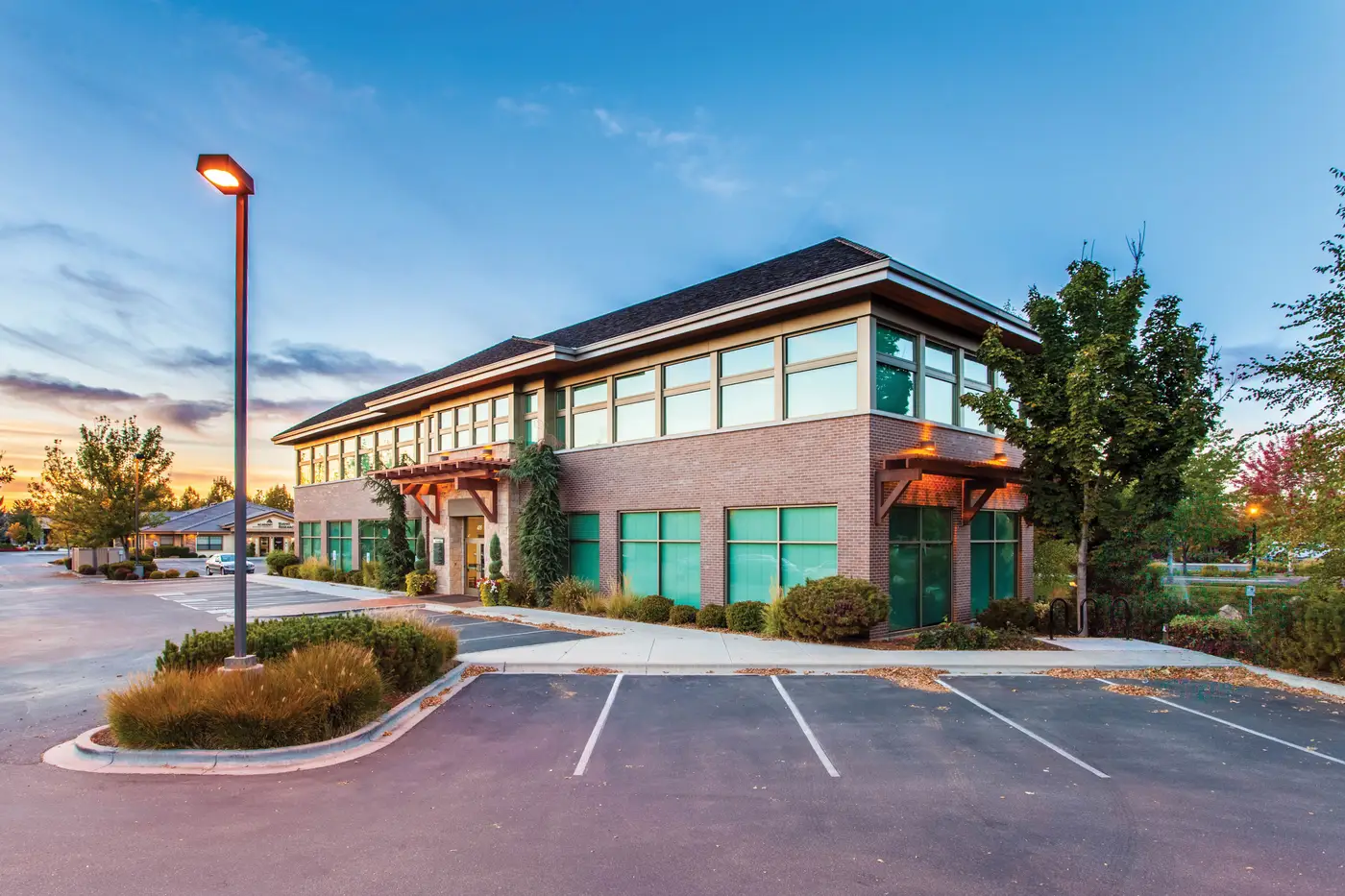
A resurfacing permit rarely gets a second look. Someone pulls it to mill and overlay a lot, maybe restripe it while the equipment's already on site, and the counter staff wave it through because nothing about "resurfacing" says reassess. No new footprint, no new structure, nothing that trips the disturbance threshold that would normally route a project to planning review. It's maintenance. It's supposed to be invisible to the fee roll.
That's the week I want to talk about.
A retail lot near the edge of a service area went in for a routine mill-and-overlay. Somewhere between the permit application and the final walk-through, the contractor squared off what had been an irregular, landscaped corner of the parcel, pulled the curb line out, and added two rows of parking where there used to be a drainage swale and a strip of turf. Nobody flagged it as a capacity project because, on paper, it wasn't one. The permit was for pavement condition, not pavement extent.
It sat that way for almost two years before anyone on the billing side noticed, and the way it got noticed wasn't a plan review. It was a parcel comparison during a routine imagery refresh that turned up roughly four thousand square feet of impervious surface that hadn't been on the roll at the previous assessment. Not a new building. Not a subdivision. Just asphalt where there used to be ground that drained.
Talk to enough people who run a fee roll and this story has a dozen regional variants. A church lot that paved over a gravel overflow area for "better accessibility." A distribution center that squared off a loading apron during a repaving job and picked up another acre of hardscape in the process. A strip mall that repainted its lot and, while it was at it, added eighteen spaces along a frontage that used to be mulch beds.
None of these go through a capacity review. None of them show up in a building permit search, because nobody built anything in the sense the building code cares about. They just made more of the parcel shed water the way the rest of it already does, and the billing database kept quoting the old square footage like nothing happened.
The frustrating part isn't that these projects slip through. Permit systems are built to catch structural risk, not drainage area, and resurfacing genuinely is routine ninety-some percent of the time. The frustrating part is how long the gap can run before anyone checks. A fee roll that only gets touched during a rate study can go five, six, seven years on the same impervious numbers while individual parcels quietly expand their footprint one maintenance project at a time. Multiply one four-thousand-square-foot lot by however many commercial parcels get resurfaced, re-striped, or squared off in a given year, and the roll isn't wrong by a rounding error. It's wrong by acres, spread thin enough across the parcel base that no single appeal ever surfaces it.
This is the actual case for not waiting for the next rate study to look at the ground. Not because resurfacing crews are doing anything wrong, they're not, but because the fee is tied to a physical condition that changes in small increments nobody is required to report. Catching the four-thousand-square-foot lot before it's been under-billed for six years means having a standing layer of what's actually sealed out there, checked on a cycle that doesn't depend on a complaint or an audit triggering someone to go look. Stormwater Fee builds that layer from imagery, parcel by parcel, on a schedule that doesn't wait for the next rate study to notice the pavement moved.
If your roll hasn't been checked against the ground since the last rate study, it's worth asking what's changed since then, one parking lot at a time.